Maharashtra State Board Class 10 History Solutions Chapter 3 Applied History
(2) The National Archives of India is in ……………..………..
(a) New Delhi
(b) Kolkata
(c) Mumbai
(d) Chennai
Answer:
(a) New Delhi
(b) Identify and write the wrong pair in the following set.
(1) Kootiyattam- Sanskrit theatre, Kerala
(2) Ramman- Dance form in West Bengal
(3) Ramlila- Traditional Performance of the Ramayana in Uttar Pradesh
(4) Kalbelia- Folk songs and dances of Rajasthan.
Answer:
(2) Wrong pair: Ramman – Dance form in West Bengal
(2) Archives
Answer:

(2) The list of world Heritage Sites is announced by UNESCO.
Answer:
(a) Science: Scientific discoveries /invenfions take place because of humdn efforts to satisfy needs and curiosity. These efforts are based on scientific knowledge that already existed. Knowledge of the history of science helps in understanding the reasons, chronology and factors that facilitated a scientific invention/discovery. Knowledge of history of science helps in every field.
(b) Art: Development of any style of art lies in their expression through intellectual, emotional and cultural traditions. While studying any art form we have to understand the history of its traditions, the key to the expressions in it, and emotional temperament of the artist. Prevalent art style in the given period can be understood with the help of cultural history.
(c) Management Studies: All components like means of production, human resources, processes of production, the chain of market and sales, etc. are interrelated and require management.
Different social and economic institutions are involved in these industrial and commercial processes. Knowledge of similar functional systems of the past is essential to bring about changes, improvements and make the management smooth and efficient. It becomes necessary to know its history.
(2) How can we correlate applied history with our present?
Answer:
History gives us knowledge about the events that happened in past. Applied history helps us in understanding how the knowledge can be put to use for our benefit as well as for the benefit of future generations. Applied history is correlated with our present in the following ways:
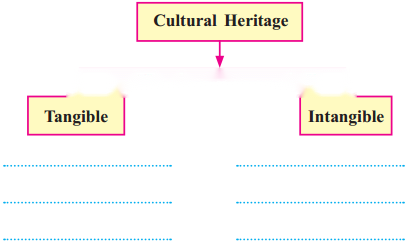
(1) Knowledge of our past helps us in deciding our course of action in present. The.heritage of our ancestors exists in tangible and intangible- form. We have the curiosity to know more about our part because they represent the creative thoughts and traditions of that period.
(2) With the help of applied history we can not only come to know about the heritage but also conserve and preserve it.
(3) We can be better equipped to face social challenges in the present because the knowledge of history can provide guidance in finding solutions to contemporary social issues and incorporate them in the ’social planning.
(4) The direction of future development is S decided when we rightly analyse our present with our knowledge of the past acquired through applied history.
(3) Suggest at least 10 solutions for the preservation of the sources of history.
Answer:
There are three types of sources which are used to study history. They are written, oral and material sources. These sources are preserved in different ways. According to me, the following measures should be taken to preserve the sources:
(4) What objectives can be fulfilled through the heritage projects.
Answer:
The following objectives can be fulfilled through the heritage projects:
Project
Show the Indian heritage sites on the map of India.
Answer:
Memory Map
(b) ……………………… is the mother of science and all other branches of knowledge.
(a) Philosophy
(b) History
(c) Technology
(d) Mythology
Answer:
(a) Philosophy
(c) In order to preserve and conserve cultural and natural heritage for the benefit of future generations ……………………… has given directives.
(a) UNICEF
(b) UN
(c) UNESCO
(d) INTACH
Answer:
(c) UNESCO
(d) The ……………………… in the Satara District of the Western Ghats is included in the list of World Natural Heritage.
(a) Balaghat Mountain
(b) Melghat
(c) Masai Plateau
(d) Kas Plateau
Answer:
(d) Kas Plateau
(e) The main office of the National Film Archives of India is situated at ……………………….
(a) Delhi
(b) Mumbai
(c) Pune
(d) Nagpur
Answer:
(c) Pune
(f) Excavations at the city of ‘Ur’ in Mesopotamia were conducted by ……………………….
(a) Nathaniel Wallick
(b) Ennigaldi
(c) Leonard Wolley
(d) Sir John Marshall
Answer:
(c) Leonard Wolley.
(1) Kootiyattam | (a) Sanskrit theatre, Kerala |
(2) Ramman | (b) Dance form in West Bengal |
(3) Ramlila | (c) Traditional performance of Ramayana in Uttar Pradesh |
(4) Kalbelia | (d) Folk songs and dances of Rajasthan |
Wrong pair: Ramman – Dance form in West Bengal
(2)
Cultural Heritage | Place |
(1) Red Fort | (a) Udaipur |
(2) Jantar Mantar | (b) Jaipur |
(3) Brihadeeshvara Temple | (c) Thanjavur |
(4) Capital Complex | (d) Chandigarh Answer:
Question 8
Maharashtra Board Solution
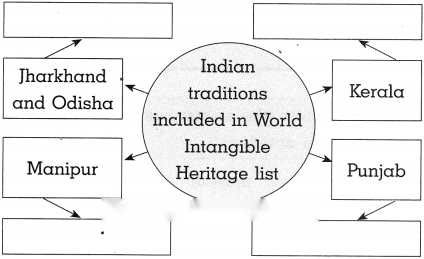
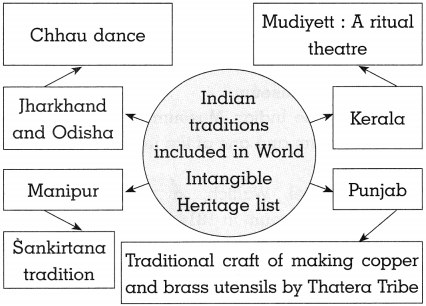
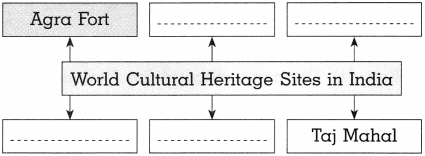
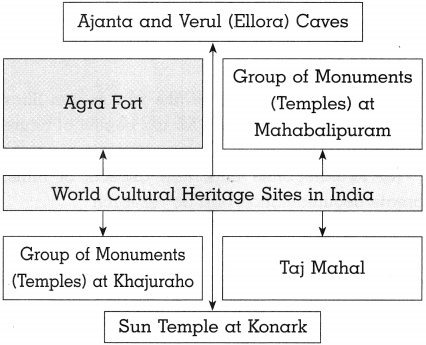
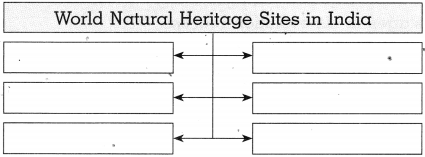
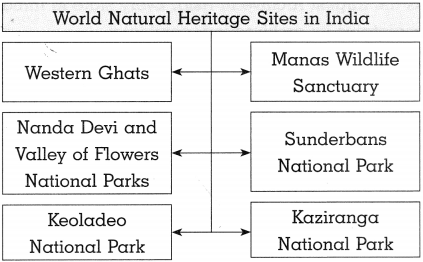
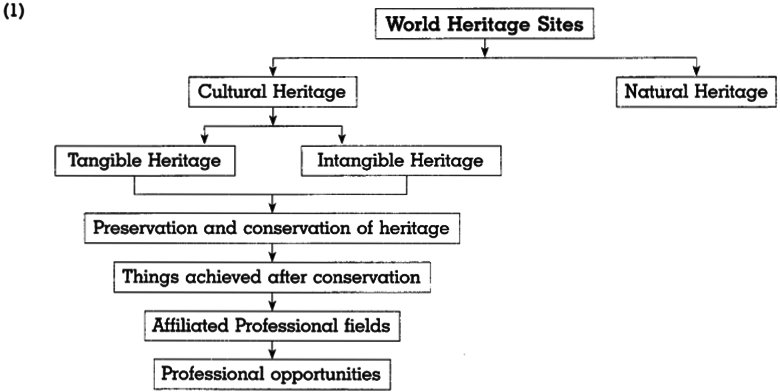
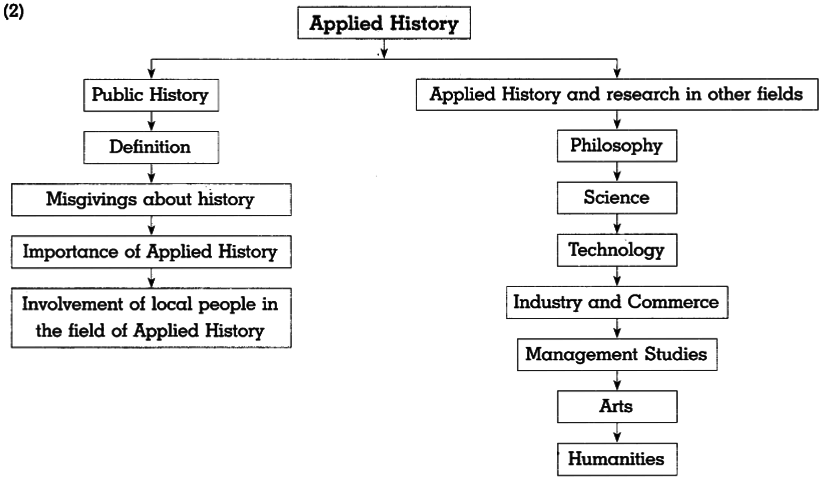
Complete the graphical presentation: (1)
Solution & Step-by-Step Answer:
(2)
(3)
Question 9
Maharashtra Board Solution
Explain the following concept: (a) Natural Heritage:
Solution & Step-by-Step Answer:
Question 10
Maharashtra Board Solution
Write short notes: (a) Importance of Applied History:
Solution & Step-by-Step Answer:
(b) Preservation of cultural heritage of India: (c) Indian Museum: (d) National Film Archives:
Question 11
Maharashtra Board Solution
Explain the following statements giving reasons: (a) It is essential to study the history of philosophy.
Solution & Step-by-Step Answer:
(b) It is important to know the history of Industry and Commerce. Therefore, it becomes important to know the history of Industry and Commerce. (c) It is necessary to preserve and conserve our natural and cultural heritage. Therefore, it becomes necessary to preserve and conserve for our future benefit as well as for the benefit of future generations.
Question 12
Maharashtra Board Solution
Answer the following in 25-30 words: (a) Explain the concept of ‘Public History’.
Solution & Step-by-Step Answer:
(b) What is the role of UNESCO in the context of heritage sites? (c) Find out the cultural heritage sites located in Maharashtra and write their names. Many forts like the Raigad, Devgiri, Janjira and Sindhudurg are part of the cultural heritage Of Maharashtra though they are not included in the list. (d) What are the misgivings about history among the people? (e) Where can we trace the roots of philosophy? (f) What are the opportunities created by affiliated professional fields of Applied History? (g) What are the main objectives of ‘National Film Archives’? (h) How can we increase people’s participation in the field of applied history? (i) Write information on World Heritage sites in Maharashtra. Chhatrapati Shivaji Maharaj Terminus is finest example of Indo-Gothic architecture emerged in India during British rule. It stands witness to the British empire, freedom struggle and transformation of our country into a modern nation. It needs conservation as it a architectural marvel which stood the test of times recently when there was a terror attack on Mumbai city. (j) What is the role of Applied History?
Question 13
Maharashtra Board Solution
Read the given passage carefully and answer the questions given below: (a) Who built this museum?
Solution & Step-by-Step Answer:
This museum was built by Ennigaldi, the princess of Mesopotamia.
(b) Where was the earliest museum in the world discovered? Who discovered it? (c) What is a noteworthy feature of this museum?
Question 14
Maharashtra Board Solution
Write elaborate answers: OR Answer in detail: (a) Who does the work of conservation and preservation of the cultural heritage of Indian?
Solution & Step-by-Step Answer:
The preservation and conservation of Indian cultural heritage is done at various stages:
Question 15
Maharashtra Board Solution
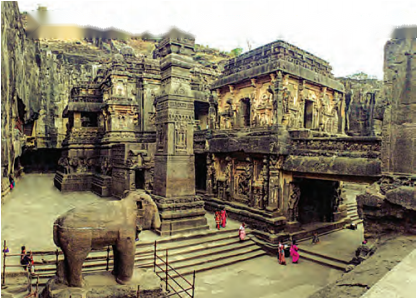
Observe the picture and write information about it:
Solution & Step-by-Step Answer:
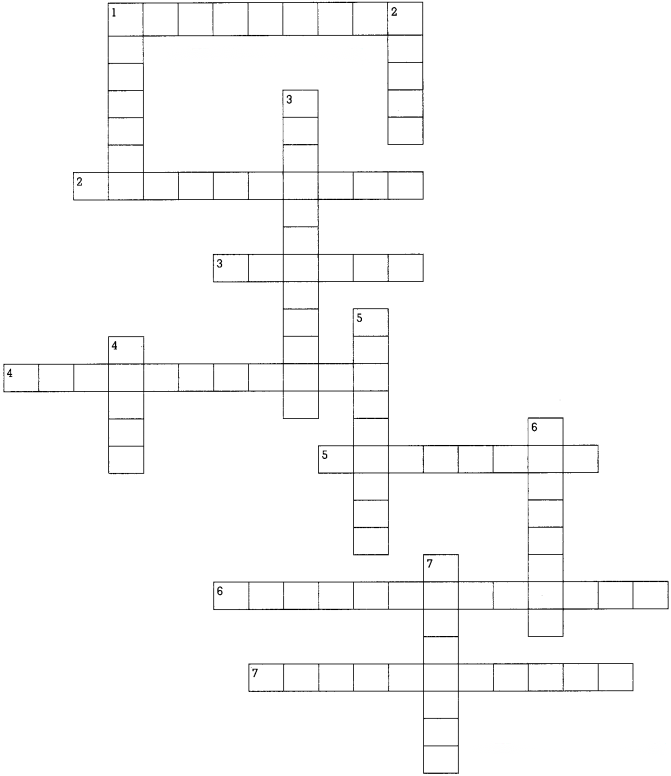
Brain Teaser Hints: Down:
|